
Ideas and encouragement
Latest from Pencil & Pebble
Practical ideas, thoughtful encouragement, and resources for learning in real life.
-
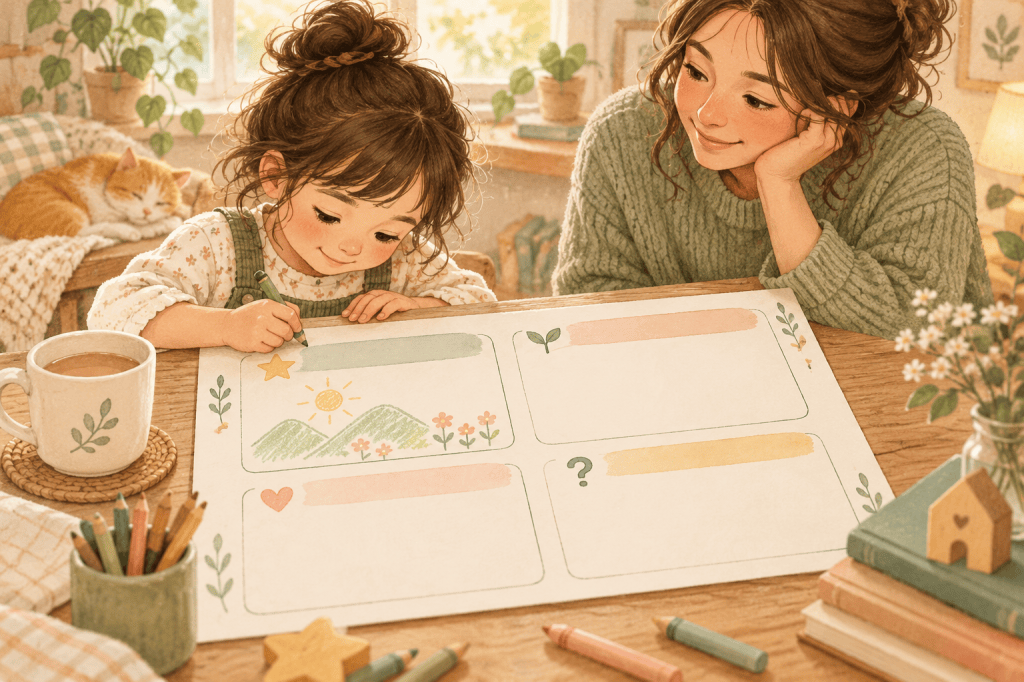
A Weekly Learning Reflection Sheet Children Can Answer Honestly
Design a child-friendly weekly reflection that captures growth, questions, challenges, and next steps without turning feelings into grades or demanding long written answers.
-
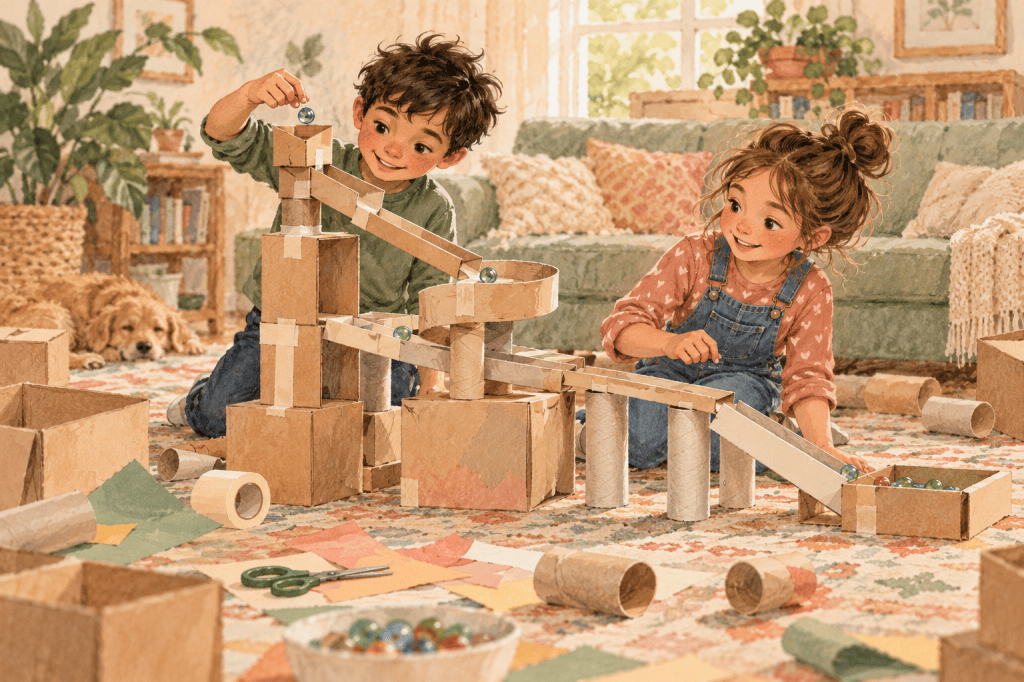
The Cardboard Engineering Challenge: Build, Test, and Improve
Turn clean cardboard and tape into an open-ended engineering challenge that helps children plan, test, revise, measure, and explain a design.
-
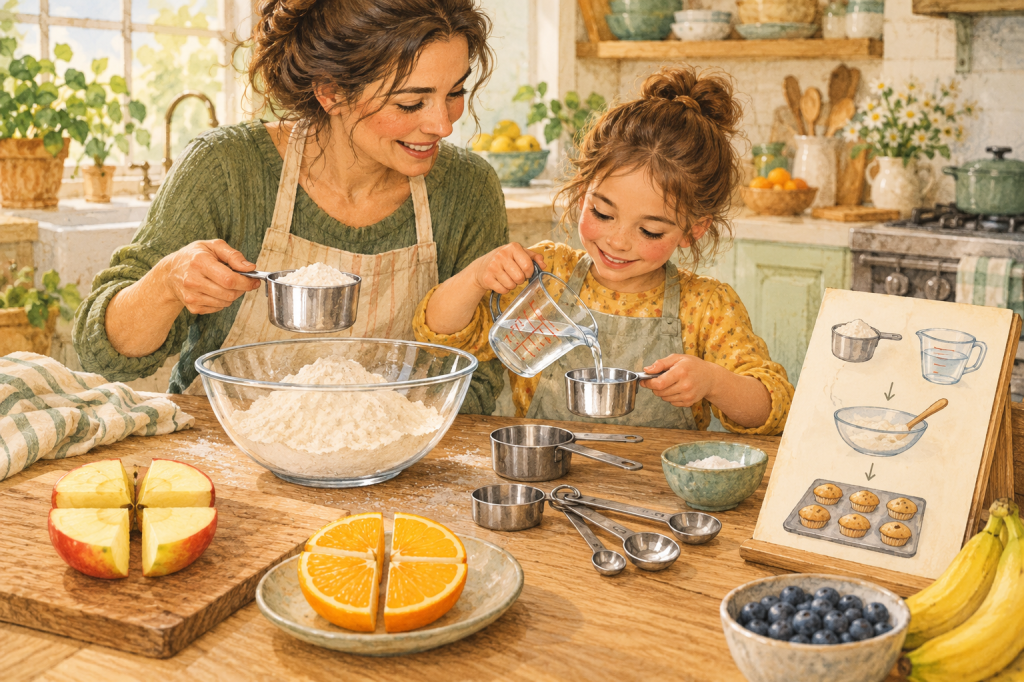
Kitchen Fractions: Teach Equal Parts Through Real Measuring
Use measuring cups, spoons, fruit, and simple recipes to help children understand equal parts, equivalence, comparison, and fraction operations.
-
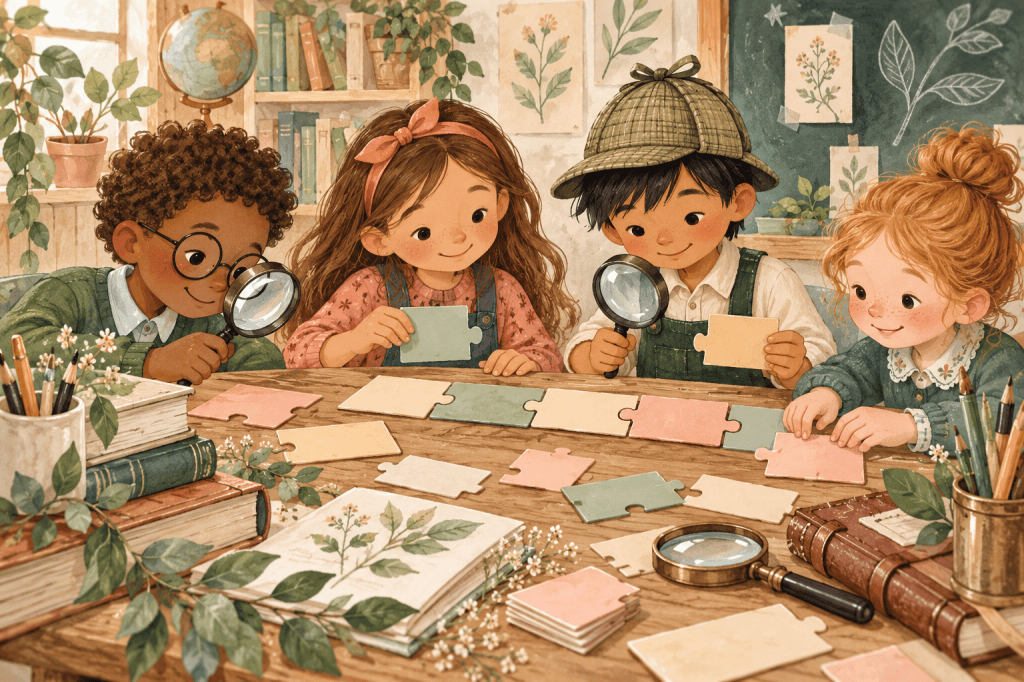
Word-Part Detectives: Teach Prefixes, Suffixes, and Roots Through Investigation
Help elementary students investigate how meaningful word parts work, build word families, test meanings in context, and become more flexible vocabulary learners.
-

When a Child Says “I Can’t”: How to Support the Next Small Step
Respond to “I can’t” with calm information-gathering, practical support, and a next step small enough to begin without dismissing genuine frustration.
-
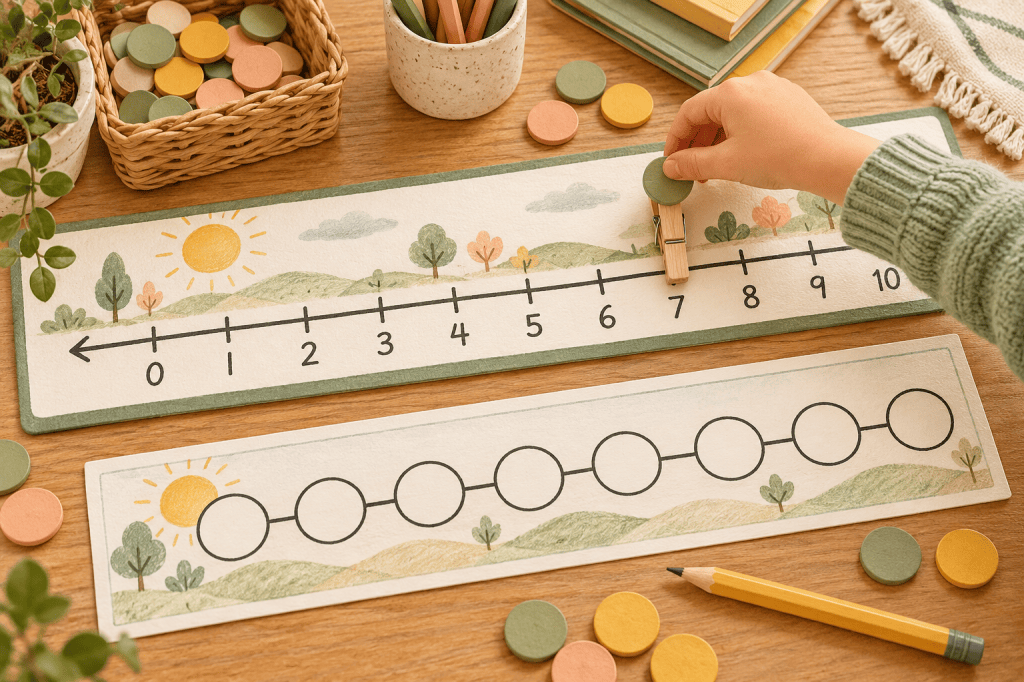
Build a Number Line Toolkit That Grows With Your Child
Create a flexible printable number-line toolkit for counting, operations, missing numbers, place value, fractions, and mathematical explanation.
-
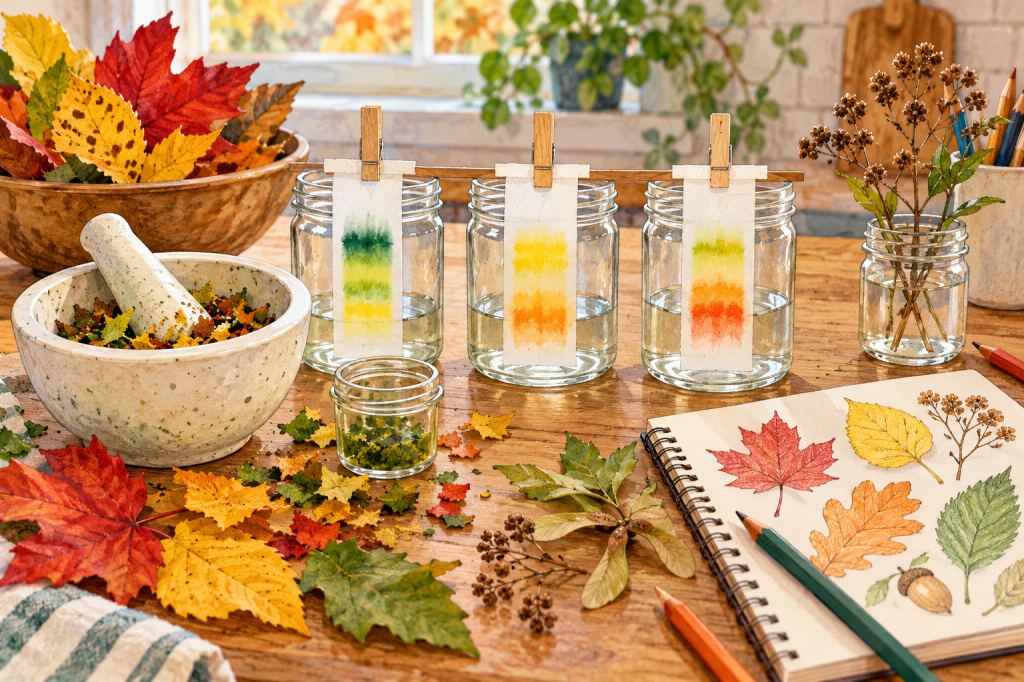
Leaf Chromatography for Kids: Reveal the Colors Hiding in Fall Leaves
Use fallen leaves and paper chromatography to investigate plant pigments, compare results, and practice careful observation with adult supervision.
-
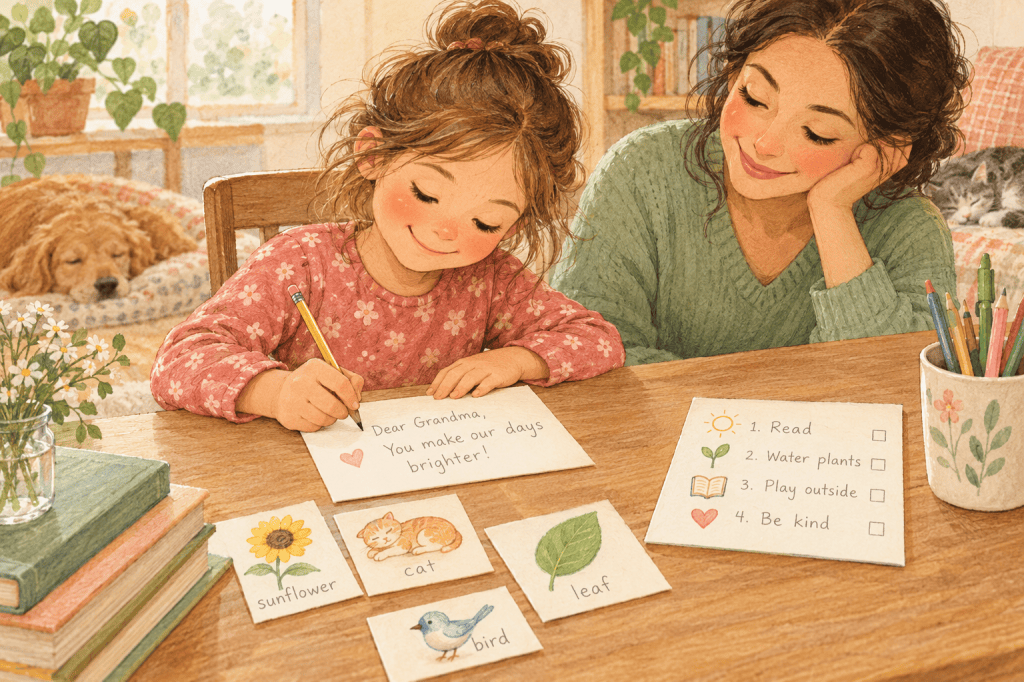
Handwriting Practice Without the Copywork Battle
Build handwriting fluency through short, meaningful writing tasks, comfortable materials, explicit letter practice, and realistic expectations for developing hands.
-
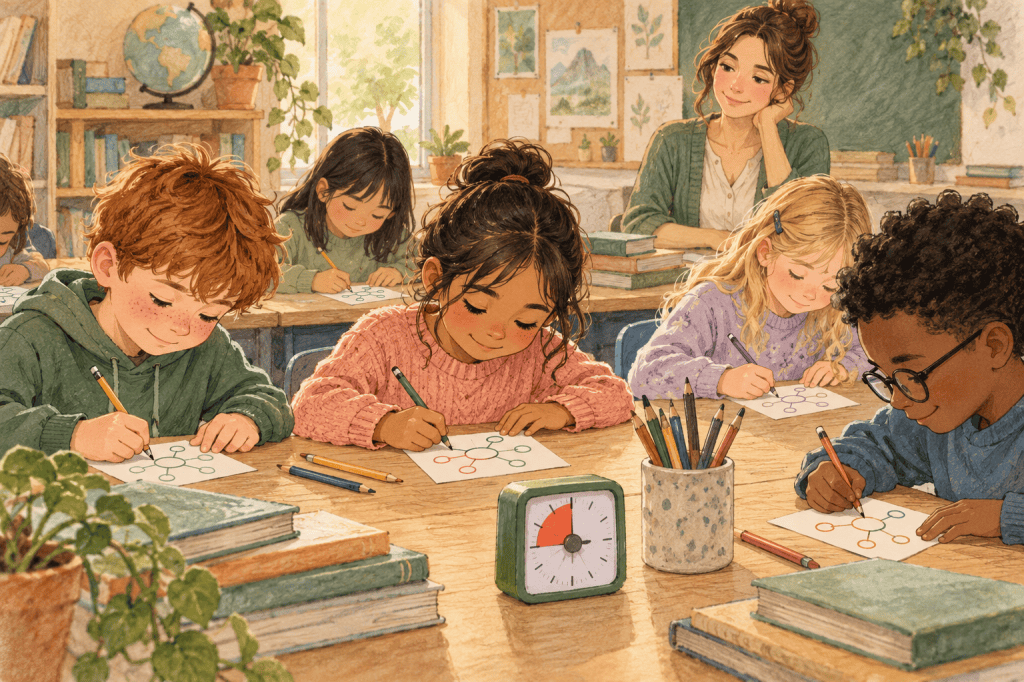
Five-Minute Retrieval Warm-Ups That Strengthen Memory Without Raising the Stakes
Use brief, low-pressure retrieval warm-ups to help students recall earlier learning, connect ideas, and show what needs another look without turning every review into a test.

Recent Posts
More ideas for your learning journey.
-
A Weekly Learning Reflection Sheet Children Can Answer Honestly
Design a child-friendly weekly reflection that captures growth, questions, challenges, and next steps without turning feelings into grades or demanding long written answers.
-
The Cardboard Engineering Challenge: Build, Test, and Improve
Turn clean cardboard and tape into an open-ended engineering challenge that helps children plan, test, revise, measure, and explain a design.
-
Kitchen Fractions: Teach Equal Parts Through Real Measuring
Use measuring cups, spoons, fruit, and simple recipes to help children understand equal parts, equivalence, comparison, and fraction operations.
-
Word-Part Detectives: Teach Prefixes, Suffixes, and Roots Through Investigation
Help elementary students investigate how meaningful word parts work, build word families, test meanings in context, and become more flexible vocabulary learners.
-
When a Child Says “I Can’t”: How to Support the Next Small Step
Respond to “I can’t” with calm information-gathering, practical support, and a next step small enough to begin without dismissing genuine frustration.
-
Build a Number Line Toolkit That Grows With Your Child
Create a flexible printable number-line toolkit for counting, operations, missing numbers, place value, fractions, and mathematical explanation.
-
Leaf Chromatography for Kids: Reveal the Colors Hiding in Fall Leaves
Use fallen leaves and paper chromatography to investigate plant pigments, compare results, and practice careful observation with adult supervision.
-
Handwriting Practice Without the Copywork Battle
Build handwriting fluency through short, meaningful writing tasks, comfortable materials, explicit letter practice, and realistic expectations for developing hands.
-
Five-Minute Retrieval Warm-Ups That Strengthen Memory Without Raising the Stakes
Use brief, low-pressure retrieval warm-ups to help students recall earlier learning, connect ideas, and show what needs another look without turning every review into a test.
Looking for something you can use today?
Explore free activities and printables created to make learning a little easier – and a lot more fun.
More from the Blog
-
A Weekly Learning Reflection Sheet Children Can Answer Honestly
Design a child-friendly weekly reflection that captures growth, questions, challenges, and next steps without turning feelings into grades or demanding long written answers.
-
The Cardboard Engineering Challenge: Build, Test, and Improve
Turn clean cardboard and tape into an open-ended engineering challenge that helps children plan, test, revise, measure, and explain a design.
-
Kitchen Fractions: Teach Equal Parts Through Real Measuring
Use measuring cups, spoons, fruit, and simple recipes to help children understand equal parts, equivalence, comparison, and fraction operations.
-
Word-Part Detectives: Teach Prefixes, Suffixes, and Roots Through Investigation
Help elementary students investigate how meaningful word parts work, build word families, test meanings in context, and become more flexible vocabulary learners.
-
When a Child Says “I Can’t”: How to Support the Next Small Step
Respond to “I can’t” with calm information-gathering, practical support, and a next step small enough to begin without dismissing genuine frustration.
-
Build a Number Line Toolkit That Grows With Your Child
Create a flexible printable number-line toolkit for counting, operations, missing numbers, place value, fractions, and mathematical explanation.
-
Leaf Chromatography for Kids: Reveal the Colors Hiding in Fall Leaves
Use fallen leaves and paper chromatography to investigate plant pigments, compare results, and practice careful observation with adult supervision.
-
Handwriting Practice Without the Copywork Battle
Build handwriting fluency through short, meaningful writing tasks, comfortable materials, explicit letter practice, and realistic expectations for developing hands.
-
Five-Minute Retrieval Warm-Ups That Strengthen Memory Without Raising the Stakes
Use brief, low-pressure retrieval warm-ups to help students recall earlier learning, connect ideas, and show what needs another look without turning every review into a test.

